How to Differentiate a Service Business: From Imposter Syndrome to Competitive Wins in 16 Weeks
CASE STUDY · SERVICE BUSINESS DIFFERENTIATION · THE BRAND LAB™
How First District Designs used a clear differentiation strategy to stop competing on price, win against more established firms, and build a positioning foundation that compounds.
Est. Read Time: 6 min
Case Study at a Glance
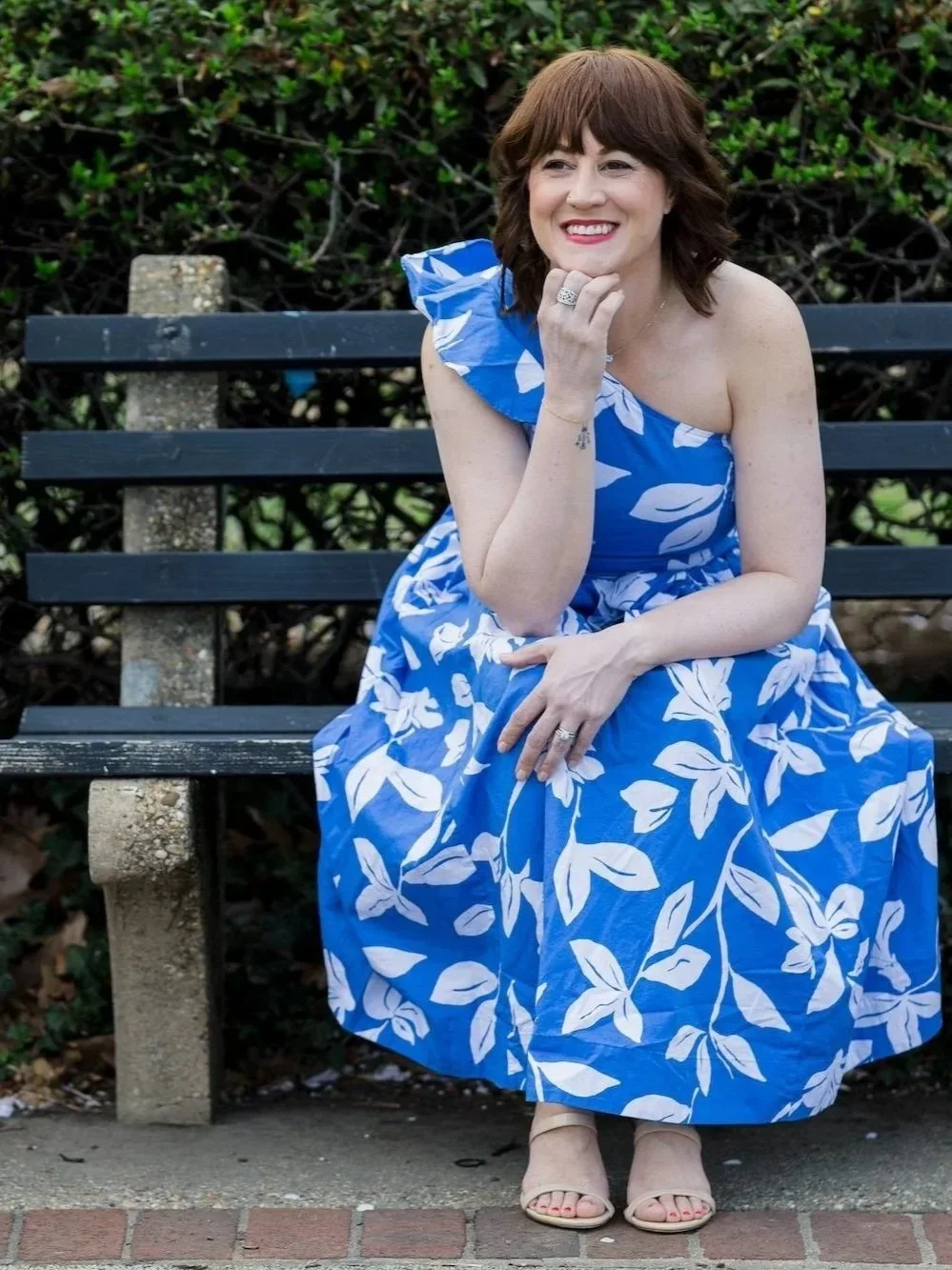
Client: Kyra Gebhard, Founder, First District Designs
Industry: Interior Design (B2C service business)
Challenge: Couldn't articulate what made her different from competitors. Felt like an imposter. Lost confidence in sales conversations.
Solution: 16-week Brand Lab™ positioning program to develop a clear differentiation strategy and messaging framework
Timeline: 16 weeks
Key Results: Won competitive project against multiple established designers, increased website traffic, systematized marketing, regained confidence in pricing and positioning
"I went from feeling very temporary and unmoored to having solid ground under my feet. I can shift with it because I know where to go back to."
— Kyra Gebhard, First District Designs
The Problem: Exceptional Work, Zero Differentiation
Kyra Gebhard knew she delivered exceptional work. But when it came time to explain why a prospect should hire her instead of another interior designer, she had no clear answer.
Like many talented service business owners, Kyra's differentiation problem showed up in three specific, costly ways:
She couldn't define her ideal client — which meant her messaging tried to appeal to everyone and resonated with no one.
She felt like an imposter compared to competitors with polished websites and confident messaging — even though her work was just as strong.
She scrambled to create proposals — without a clear, repeatable positioning to fall back on.
"I would say not knowing who my clients were, and therefore not knowing what they want to hear," Kyra explained. "I offer a service to an unspecified client."
This is the classic service business differentiation trap: you're doing exceptional work, but your messaging doesn't reflect it. Prospects can't see what makes you different, so they default to comparing you on price or credentials — neither of which plays to your actual strength.
Why Good Work Is Not Enough
Kyra's challenge is common among small service businesses. The belief is: if I just do great work, clients will figure out why I'm worth hiring.
But prospects don't have time to figure it out. They're comparing you to three other options, and if you all sound the same, they'll default to whoever's cheapest or most credentialed. A clear differentiation strategy solves this by making your unique value proposition immediately obvious — before the sales conversation even starts.
The Solution: A Structured Process to Uncover Real Differentiation
Kyra enrolled in The Brand Lab™, a 4-month program designed to help small business owners develop a clear positioning strategy and the messaging to support it.
The program walked her through three distinct phases:
Phase 1: Discovery (Laying the Strategic Foundation)
The Brand Lab™ begins with deep strategic work to understand the competitive landscape and define who you're really serving.
Competitive Analysis: Before you can differentiate, you need to know what you're differentiating from. The program starts with a structured competitive audit — not just listing competitors, but analyzing their positioning gaps.
For Kyra, this was the first breakthrough.
"I'm just looking at them very surface level and thinking, oh, they have it all together and they know what they're doing," she realized. "And like, they're missing opportunities for things. It really allowed me to feel like I had leveled the playing field with my competition."
The analysis revealed that even the most polished-looking design firms had weak or generic positioning. They claimed quality and attention to detail — terms any designer could use. None of them were speaking to a specific type of client or articulating a distinct philosophy.
That gap became Kyra's opening.
SWOT Analysis & Ideal Client Profile: The Discovery phase also included mapping her own strengths, weaknesses, opportunities, and threats — then defining exactly who her ideal client was.
This combination of competitive insight and client clarity gave Kyra the foundation she needed to build a defensible position.
Phase 2: Develop (Defining What Makes You Different)
With the competitive landscape mapped and her ideal client defined, Kyra worked through the core positioning decisions that would shape everything else.
Define Differentiators: Through the Brand Lab™ framework, she identified her unique positioning:
A boutique interior design firm offering a concierge-like experience for first-time design clients — regardless of budget or age.
This statement did three things well:
It named a specific client: first-time design clients (not homeowners or anyone who needs design help)
It emphasized the experience over the deliverable: concierge-like signals a level of care and guidance competitors weren't offering
It removed a barrier: regardless of budget or age made the positioning inclusive without being vague
Kyra shifted from thinking about what she offered as a service to understanding it as an experience for a specific type of client. That shift is the foundation of effective service business differentiation.
Describe Brand Personality & Position the Brand: Beyond defining her differentiators, Kyra worked through the complete Brand Lab™ Develop phase, which culminated in a strategic positioning framework she could reference in any marketing or sales situation — not just a tagline, but a complete strategic foundation.
Phase 3: Declare (Making It Real and Repeatable)
A positioning statement is useless if it lives in a Google Doc. The final phase turned Kyra's positioning into language, story, and systems she could actually use.
Define Your Golden Circle, Write Your Brand Story, Document and Distribute: The final Declare phase turned Kyra's positioning into language, story, and systems she could actually use — systematized into a brand playbook she could reference and share.
"I thought I was learning how to tell my brand story," Kyra said. "What I didn't realize was that I was getting a more comprehensive marketing branding playbook. I was building the foundation for my business."
She came out of the program with:
A positioning document she could reference in real-time during sales conversations
A blueprint for social media and newsletter content
Everything systematized and ready to deploy instead of scrambling to create proposals and explanations for each prospect
A comprehensive brand playbook
The result: she stopped scrambling and started operating from a foundation.
The Results: Immediate Wins and Long-Term Competitive Advantage
The transformation didn't take months. It was immediate.
Won a Competitive Project While Still in the Program
During her final weeks in Brand Lab™, Kyra competed for a project against several other established designers.
This time, she had something her competitors didn't: a clear positioning document and the confidence to use it.
"I was able to have this very clear document and I was able to keep my messaging tight, to be clear, and I think cut out the noise," she said. "I know I was competing with other designers. She interviewed a couple other designers and decided to go with me."
While competitors kept the prospect waiting for answers, Kyra responded in real-time — not because she worked faster, but because her positioning was already systematized. She knew exactly what to say and why it mattered.
Measurable Operational Improvements
Beyond the client win, Kyra saw improvements across every part of her business:
Increased website traffic
Clear blueprint for social media posting
Consistent newsletter communication strategy
More productive online connections
The Deeper Shift: From Tent to Foundation
Kyra described the transformation as going from pitching a tent to building a solid foundation.
"I went from feeling very temporary and unmoored to having solid ground under my feet that as it shifts, that base is still there and it's strong," she said.
That foundation gave her something more valuable than a single client win: time.
"Everything feels really well organized," she explained. "And it allows me a lot more freedom to be able to manage my time better."
When your positioning is clear and your messaging is systematized, you stop reinventing the wheel with every prospect. You have more capacity for client relationships, business development, and strategic thinking — the work that actually compounds.
Key Takeaways: What This Case Study Teaches About Service Business Differentiation
Kyra's transformation offers three critical lessons for service business owners struggling with differentiation:
1. Differentiation Isn't About Being Better — It's About Being Specific
Kyra didn't become a better designer through Brand Lab™. She became a designer with a clear, defensible position in the market. She went from offering interior design services to offering a concierge-like experience for first-time design clients.
That specificity made her memorable, referable, and harder to compare on price.
2. Your Competitors Aren't as Polished as You Think
One of Kyra's biggest breakthroughs was realizing that even the most established-looking firms had positioning gaps. The competitive analysis leveled the playing field, not by tearing competitors down, but by revealing opportunities they'd missed.
Most service businesses assume their competition has it all figured out. A structured competitive audit usually proves otherwise.
3. Positioning Compounds When It's Systematized
The real ROI of positioning work isn't a single client win. It's the cumulative effect of having every proposal, every website visit, every social post, and every referral conversation reinforce the same clear message.
Kyra now operates from a foundation that makes every future decision easier and every marketing effort more effective. That's what differentiation strategy is supposed to do.
"I leveled the playing field with my competition. This gives me a whole different level of credibility that I think a lot of other designers don't have."
— Kyra Gebhard
Ready to Build Your Differentiation Strategy?
If Kyra's challenge sounds familiar — if you're doing great work but can't articulate what makes you different, if you're losing projects to less-qualified competitors, or if every proposal feels like starting from scratch — it's time to build a clear positioning foundation.
The Brand Lab™ is a 4-month program designed to help service business owners uncover their unique value proposition, develop a differentiation strategy that holds up under scrutiny, and systematize the messaging so it compounds.
Book a Brand Lab™ discovery call to explore what's possible when your positioning is as strong as your work.
join the newsletter for weekly frameworks on differentiation, positioning, and premium pricing strategy.
Case study compiled from client interview conducted September 2024. Results may vary based on individual implementation and market conditions.